Miami 2020: The Year the City Went Quiet — and Found Itself
The pandemic silenced Miami's stages, emptied its beaches, and shuttered its restaurants — but it also revealed the city's extraordinary resilience, accelerated its tech transformation, and produced a Heat bubble run that gave a grieving city something to believe in.
Part of our ongoing curation of what it means to live, love, and play in the Magic City.
From the Vault · 2021
This is an archival piece from the Premier Guide Miami collection. The coverage, context, and details reflect the time it was originally published.
There is no honest way to write about Miami 2020 without beginning with the pandemic. COVID-19 arrived in March and changed everything — the beaches closed, the restaurants shuttered, the concerts were cancelled, and the city that had built its identity around gathering, around celebration, around the shared experience of being in a beautiful place with other people, was suddenly, profoundly alone.
The losses were real and immediate. Ultra Music Festival was cancelled days before it was set to begin. SOBEWFF was cancelled. Art Basel went virtual. The hospitality industry, which employs more than 140,000 people in Miami-Dade County, was devastated overnight. The unemployment system was overwhelmed. The city that had been hosting Super Bowl LIV in February was in lockdown by March.
And yet Miami's response was extraordinary. Restaurants pivoted to takeout and community feeding within days. Artists moved online and found new audiences. The tech migration that had been building for years accelerated dramatically as remote workers discovered that Miami's combination of sunshine, no state income tax, and relative openness made it the obvious choice for anyone who could work from anywhere. Mayor Suarez's "How can I help?" tweet became a symbol of a city actively courting a new identity.
The Miami Heat's bubble run to the NBA Finals was the emotional highlight of a year that desperately needed one. Playing inside the NBA's unprecedented bubble at Walt Disney World, the Heat — led by Jimmy Butler's legendary performances — made it to the Finals before losing to the Lakers in six games. Miami watched from home, from socially distanced watch parties, from cars parked outside bars. The run felt like a mirror of the city's own spirit: knocked down, refusing to stay down.
2020 was the hardest year Miami had faced in a generation. But it was also, in ways that would only become clear later, a year of transformation. The tech migration was real. The outdoor dining revolution was real. The community solidarity was real. Miami emerged from 2020 different from how it had entered — leaner, more resilient, and more aware of what it was made of.
The PGM Edit
The pandemic silenced Miami's stages, emptied its beaches, and shuttered its restaurants — but it also revealed the city's extraordinary resilience, accelerated its tech transformation, and produced a Heat bubble run that gave a grieving city something to believe in.
Premier Guide Miami
The Live · Love · Play Dial
What SOBEWFF's Absence Revealed About What It Actually Does
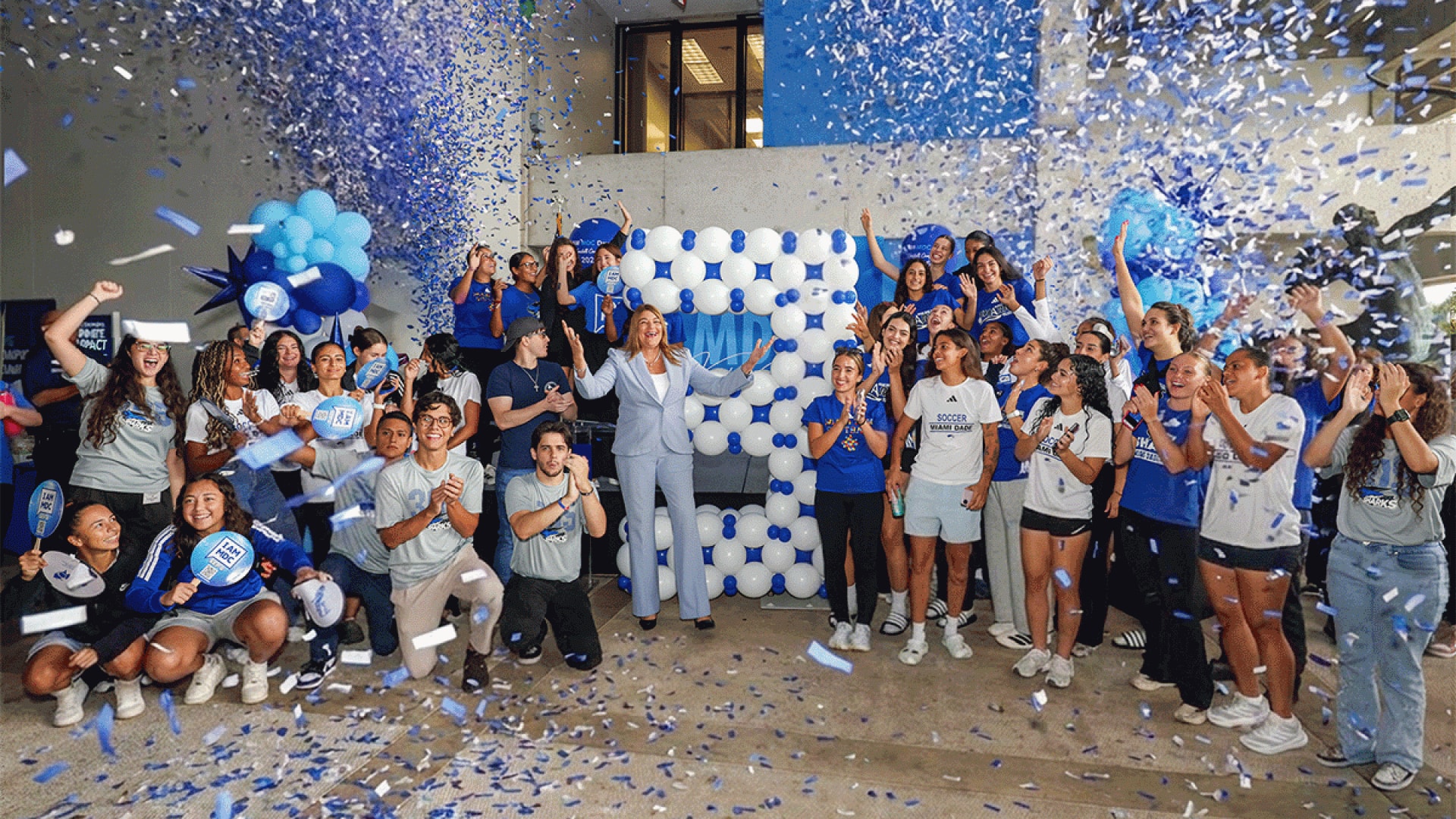
Miami Dade College's Annual Giving Day Raised More Than $1 Million This September
I AM MDC Day, the college's annual philanthropic campaign held in recognition of MDC's September 6 birthday, drew about 2,000 unique gifts from alumni, employees, students, and community partners — a significant increase in individual giving over the previous year.
Prince St. Pizza and Chèvre Miami Made a Greek-Inspired Pie Called 'The Greek Freak' — and Heat Tickets Are on the Line
Prince St. Pizza and Chèvre Miami have teamed up for a limited-time Greek-inspired Sicilian square: 48-hour marinated shaved ribeye on crispy Mercer dough, smoked mozzarella, Chèvre's Greek sauce, feta, Aleppo pepper, and dill. Rewards members who order it are entered to win Heat tickets.

The Miami Lens: How SOBEWFF 2027 Reflects the City It Lives In
Overtown EatUp with Marcus Samuelsson. El Mercado with Michelle Bernstein. Eats & Beats with Mr. Eats 305. FoodieCon at Baia Beach Club. Coffee Culture in the Design District. SOBEWFF 2027 is the most Miami-specific edition in years — and it shows exactly what this city's food moment looks like right now.
Independent.
·Unsponsored.
·Always Free.
Premier Guide Miami has never accepted payment for editorial coverage. Our story →